
Growth measured by what we put back.
Our circular model ties the company's growth to its positive impact: every project closes with a documented mass balance and CO₂ assessment.
The material is already out of the ground. It just stopped being used.
Recycling an aircraft is not a disposal problem. It is a supply problem pointed the other way: three pressures meeting at once, and one process that can answer all three.
- 1.6 billion tonnes
- of raw material sit around the world in older or decommissioned aircraft. Aluminium, titanium and strategic alloys that were refined once and then stopped moving.
- 550 to 1,000 aircraft
- leave service every year, and fleets are renewing faster than they ever have. The volume arriving at end of life is growing, not levelling off.
At the same time the industry needs certified spare parts every day, and strategic metals are getting harder to source. An aircraft at the end of its life answers both, provided somebody takes it apart properly and can prove what came out.
Market figures from AC Dismantling's strategy review, May 2026.
Recovered material, back in the supply chain.
High-value materials and serviceable parts re-entering manufacturing and maintenance instead of leaving the industry as waste.
- 96.4% Material recovery rate
- 50 t Materials processed
- 5.4 t CO₂-eq avoided
How a project is closed out
A recovery rate is only worth as much as the accounting behind it. Every project we run ends with the same three documents, and the customer gets all three.
-
Mass balance
Everything that comes off the aircraft is weighed and accounted for by stream, so the totals reconcile against what arrived. This is where a recovery rate comes from, rather than an estimate.
Closes with Project mass balance -
CO₂ assessment
Avoided emissions are calculated for the material we return to the industry, starting with the aluminium stream where the manufacturing energy saved is best established.
Closes with CO₂ assessment -
De-registration
The airframe is formally removed from the register at the end of the project, so the identity cannot reappear on an aircraft or on a part that was never ours to certify.
Closes with De-registration record
A digital tool that publishes this record part by part is in development. Until it ships, the documents are issued directly to the customer.
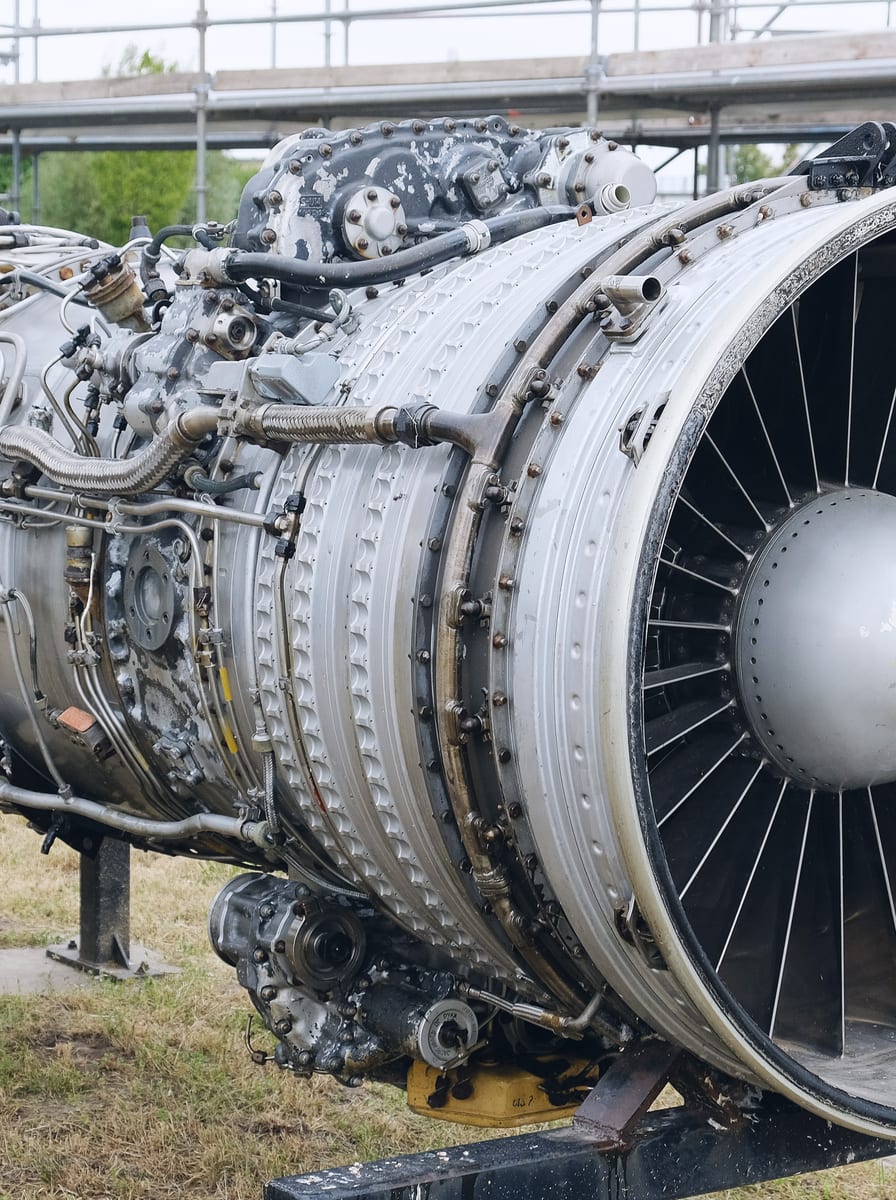
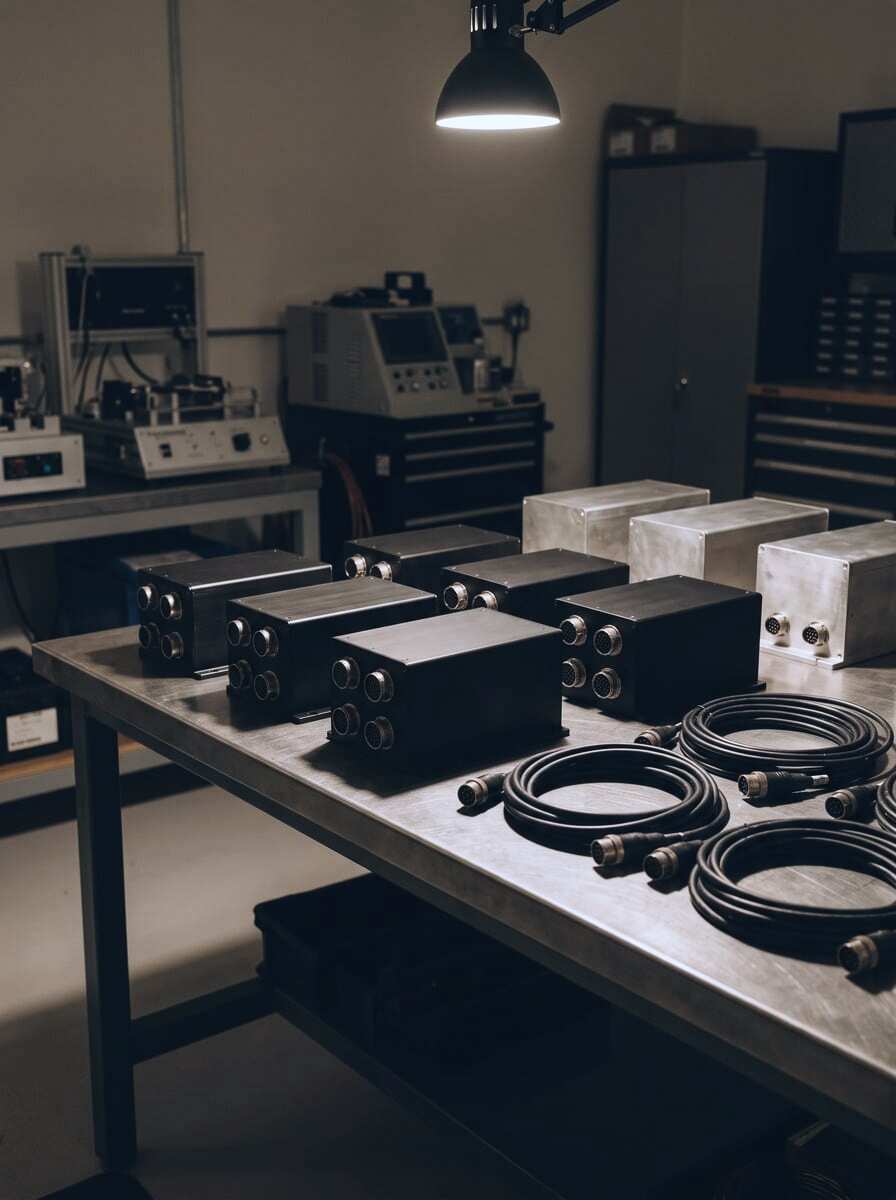
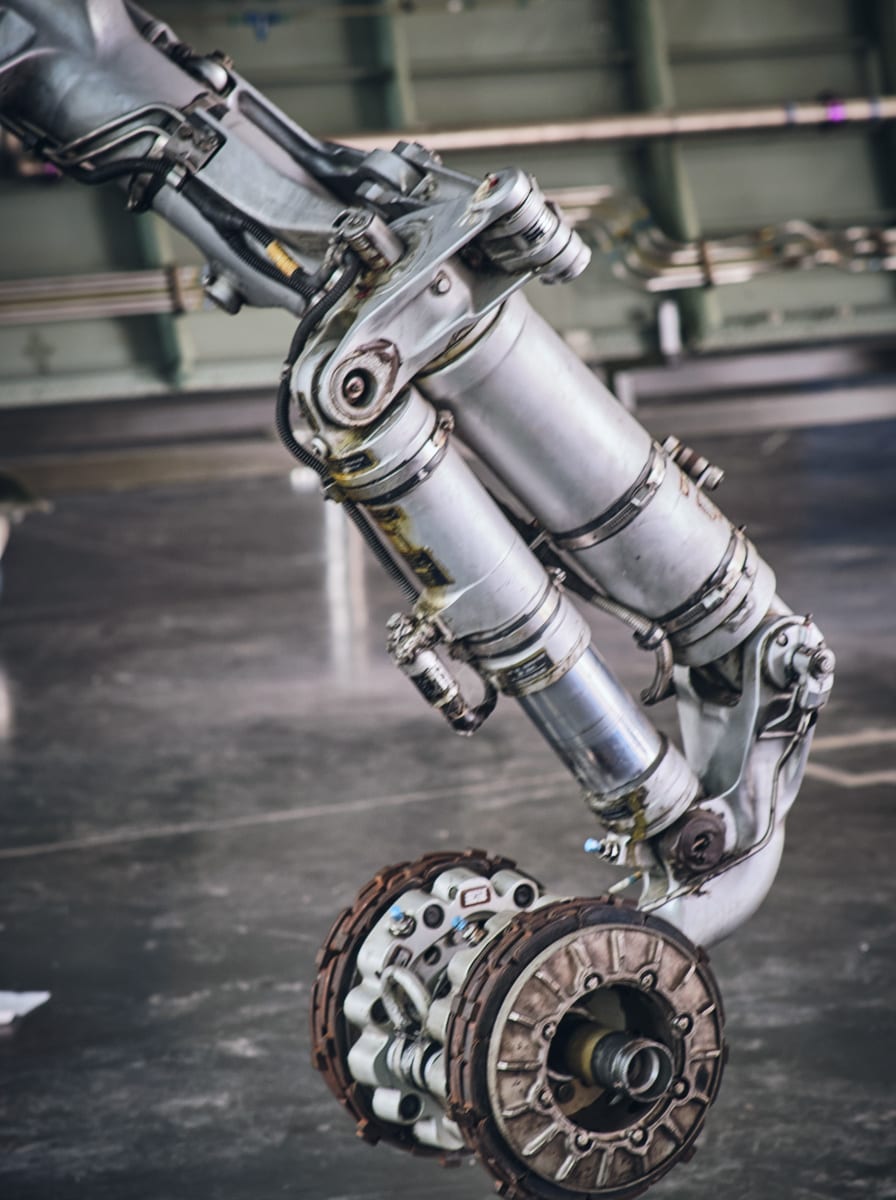
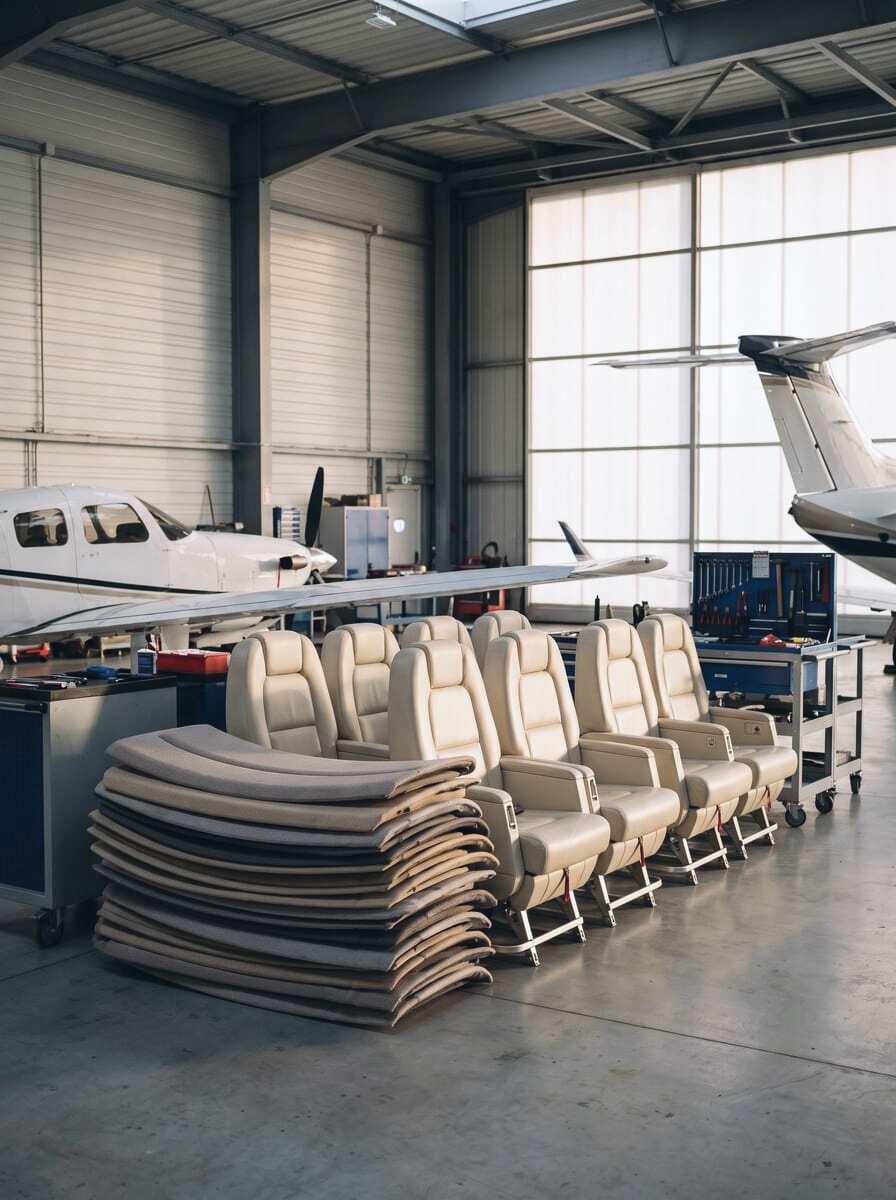
What re-enters the industry.
-
-
-
-
-
-
Where this has to get to
What the first operations actually returned, set against what the company has committed to reach annually by 2030.
2030 column is a target, not a result
| Measure | Today | 2030 annual target |
|---|---|---|
| Material processed | 25 t First operations, before industrial tooling | +330 t 2030 annual target |
| Material streams returned to industry | 5 Distinct streams recovered and placed | +9 2030 annual target |
| CO₂-eq avoided | 5.4 t Aluminium stream only | +112 t 2030 annual target |
Today: first-operations figures, Q2 2026. 2030: annual targets stated in AC Dismantling's strategy review, May 2026. Targets are not commitments to a customer and are not audited.