One complete solution, five controlled steps.
Decontamination, deconstruction, dismantling, upcycling and services, documented end to end.
Explore the processThe 5-step solution
View full processWhat we take on
Five aircraft families, one certified end-of-life chain. Open a family to see what it covers, how it reaches us, and where it stands today.
-
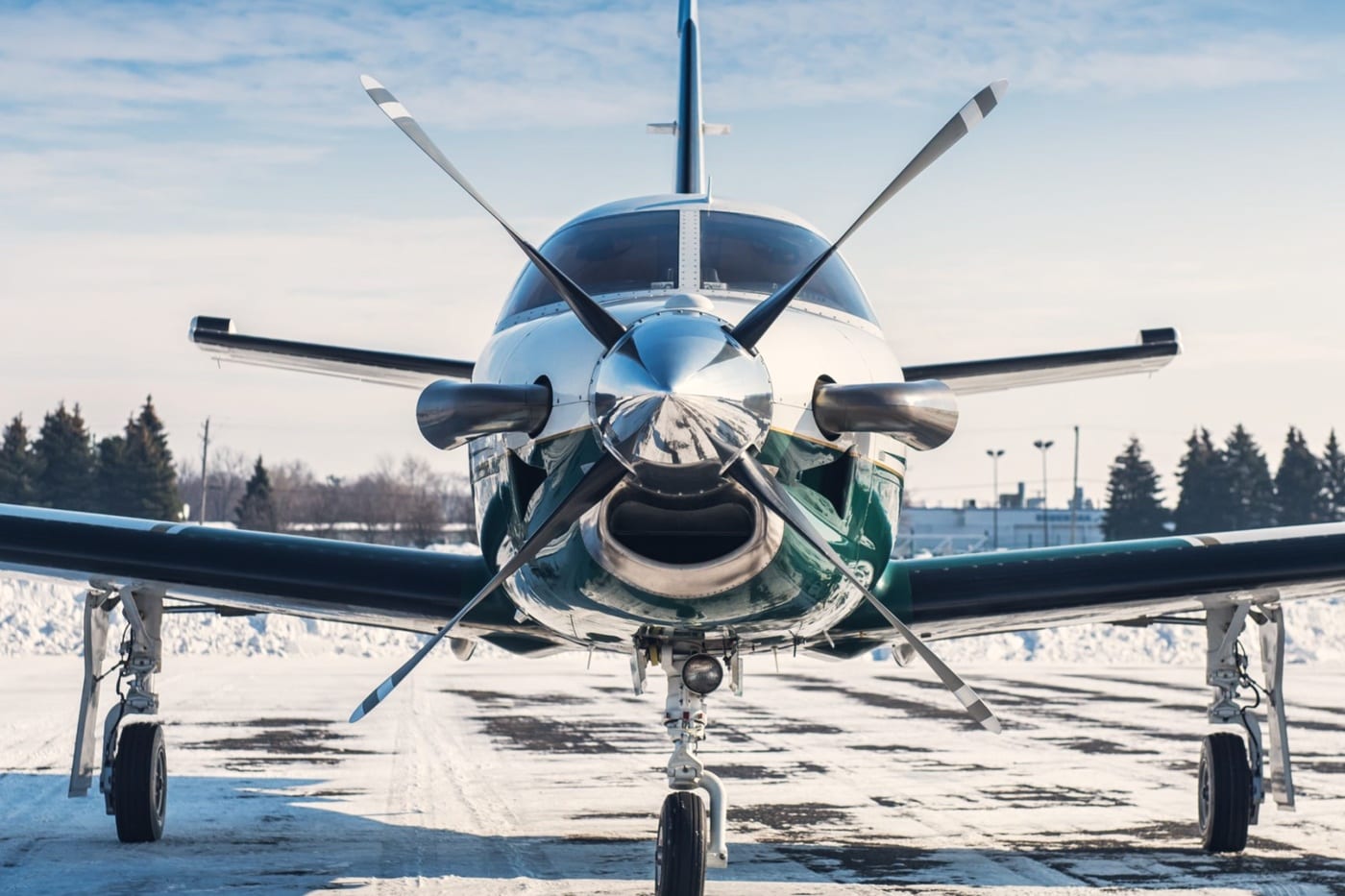
- Covers
- Piston and turboprop fleets
- Handling
- From a single aircraft to abandoned stocks. Received in flying condition, or collected on site.
- Weight ceiling
- Under 30 tonnes
- Status
- Operating today
-
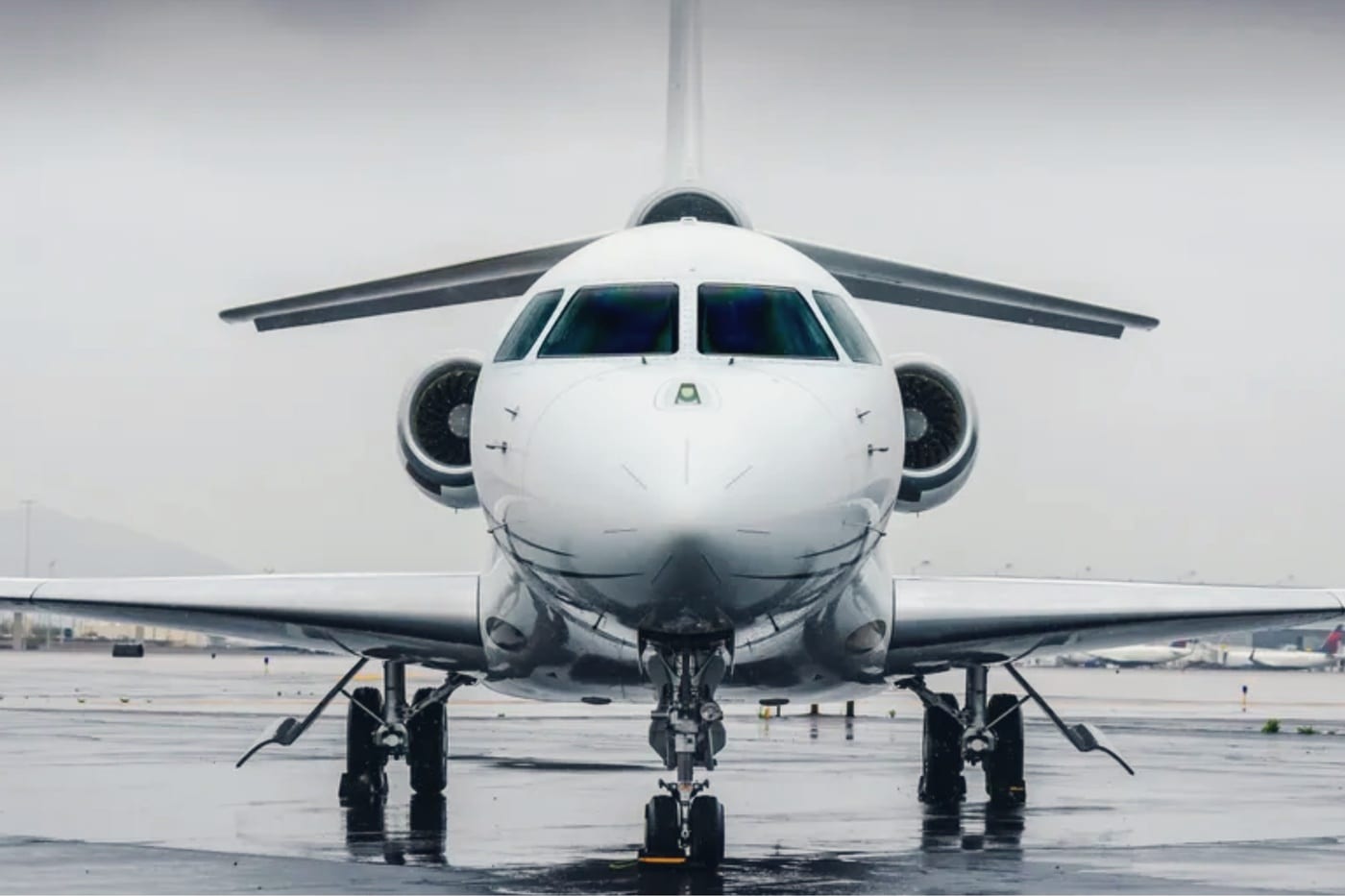
- Covers
- Business jets at the end of their potential
- Handling
- Whole private-jet fleets processed and stored. Received in flying condition, or flown out by one of our certified pilots.
- Status
- Operating today
-
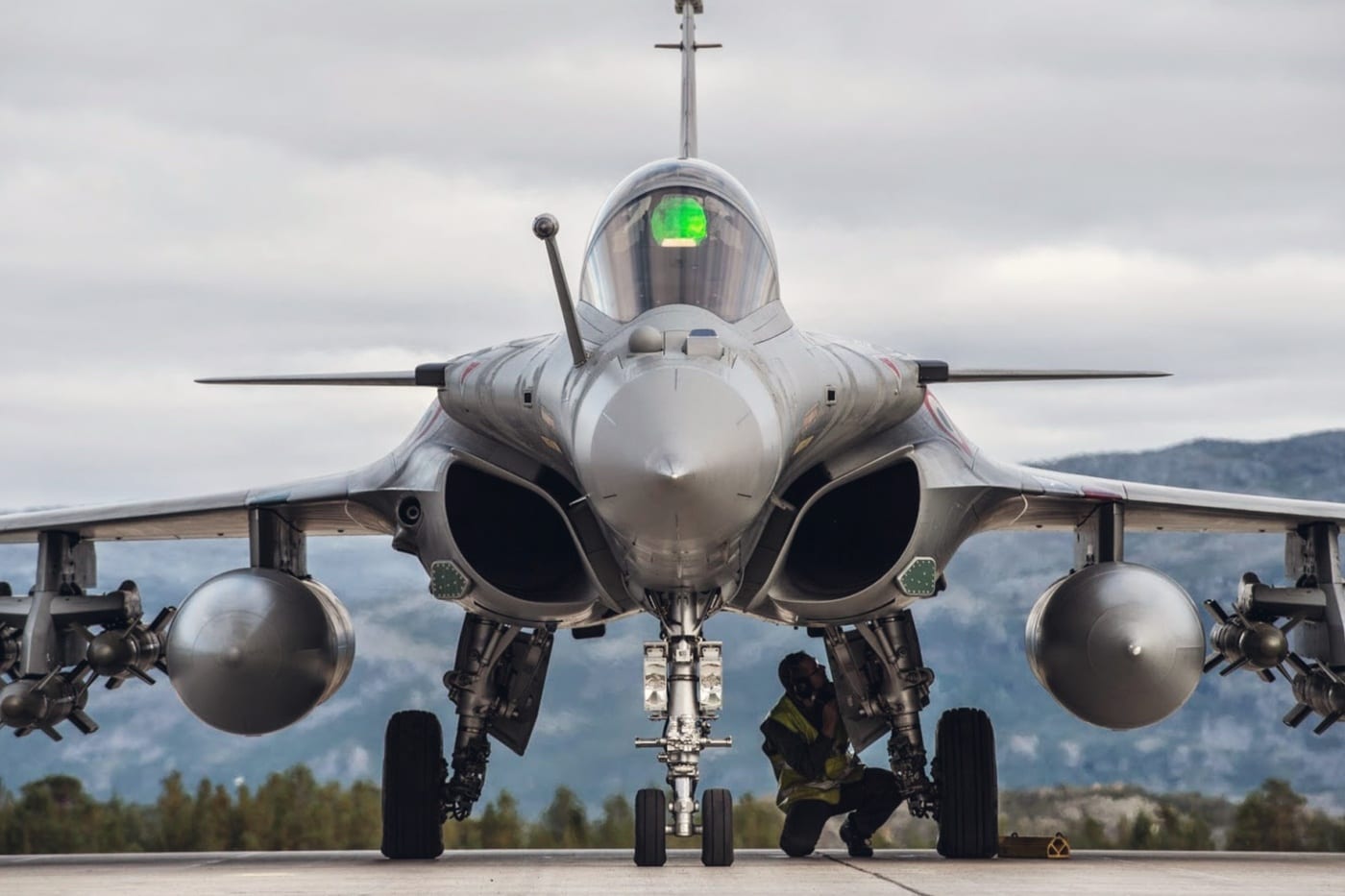
- Covers
- Fighters and special-mission aircraft
- Handling
- Strict confidentiality
- Status
- Operating today
-
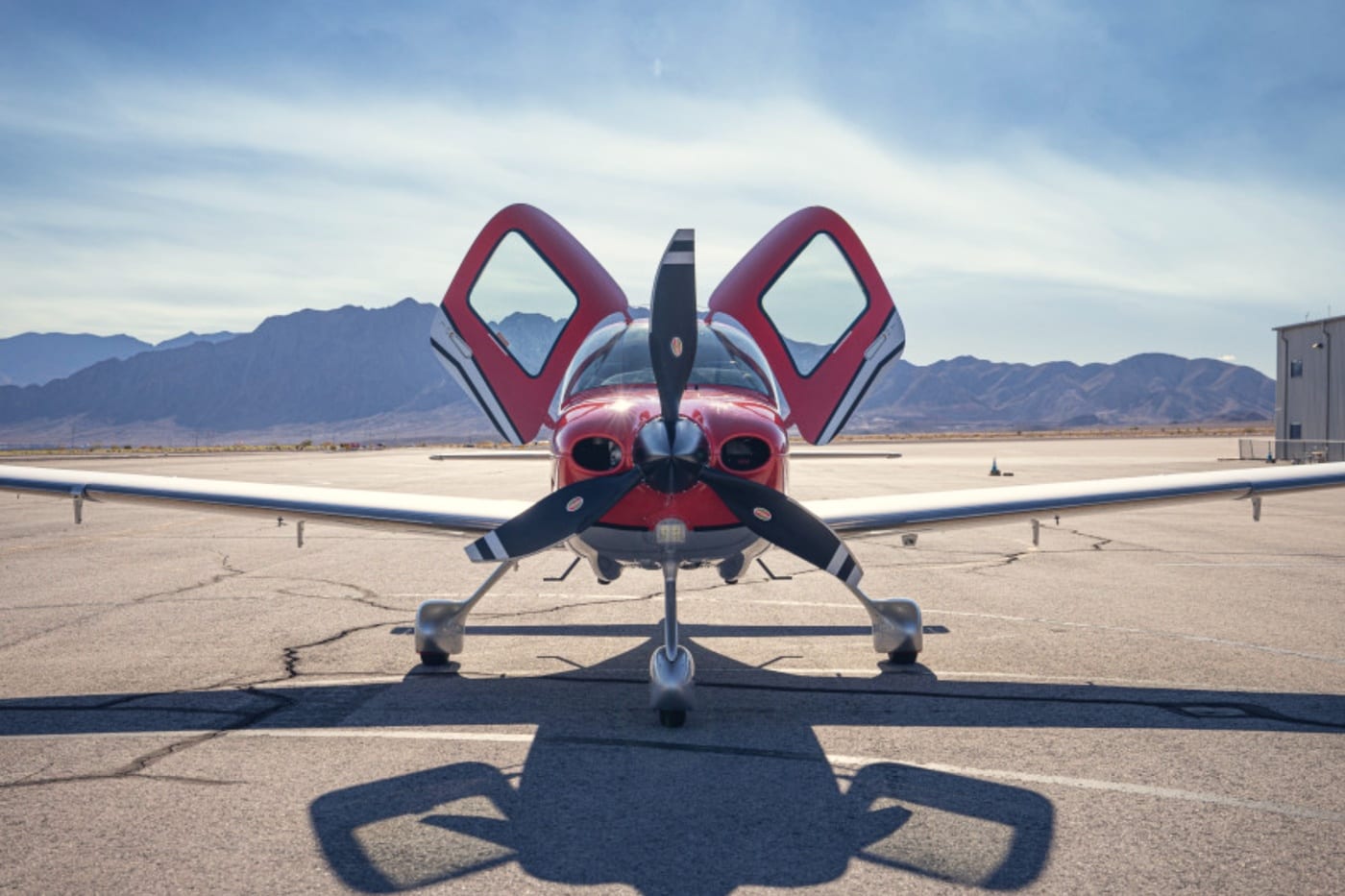
- Covers
- Trainers, club fleets and light singles
- Handling
- From a single aircraft to abandoned stocks. Received in flying condition, or collected on site.
- Status
- Operating today
-
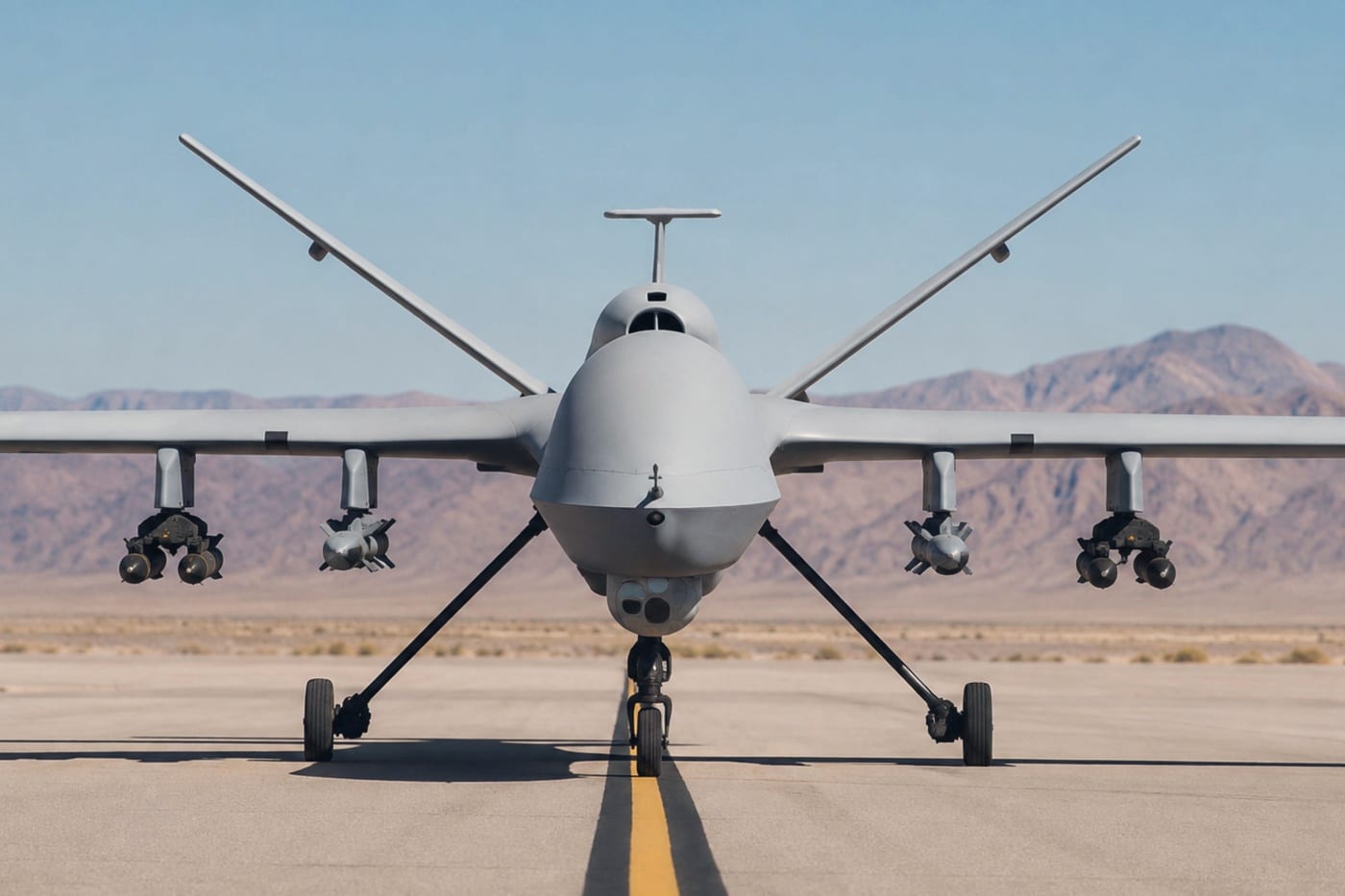
- Covers
- Professional and military drones
- Handling
- Strict confidentiality. Destroyed to protect against reverse engineering.
- Status
- Operating today
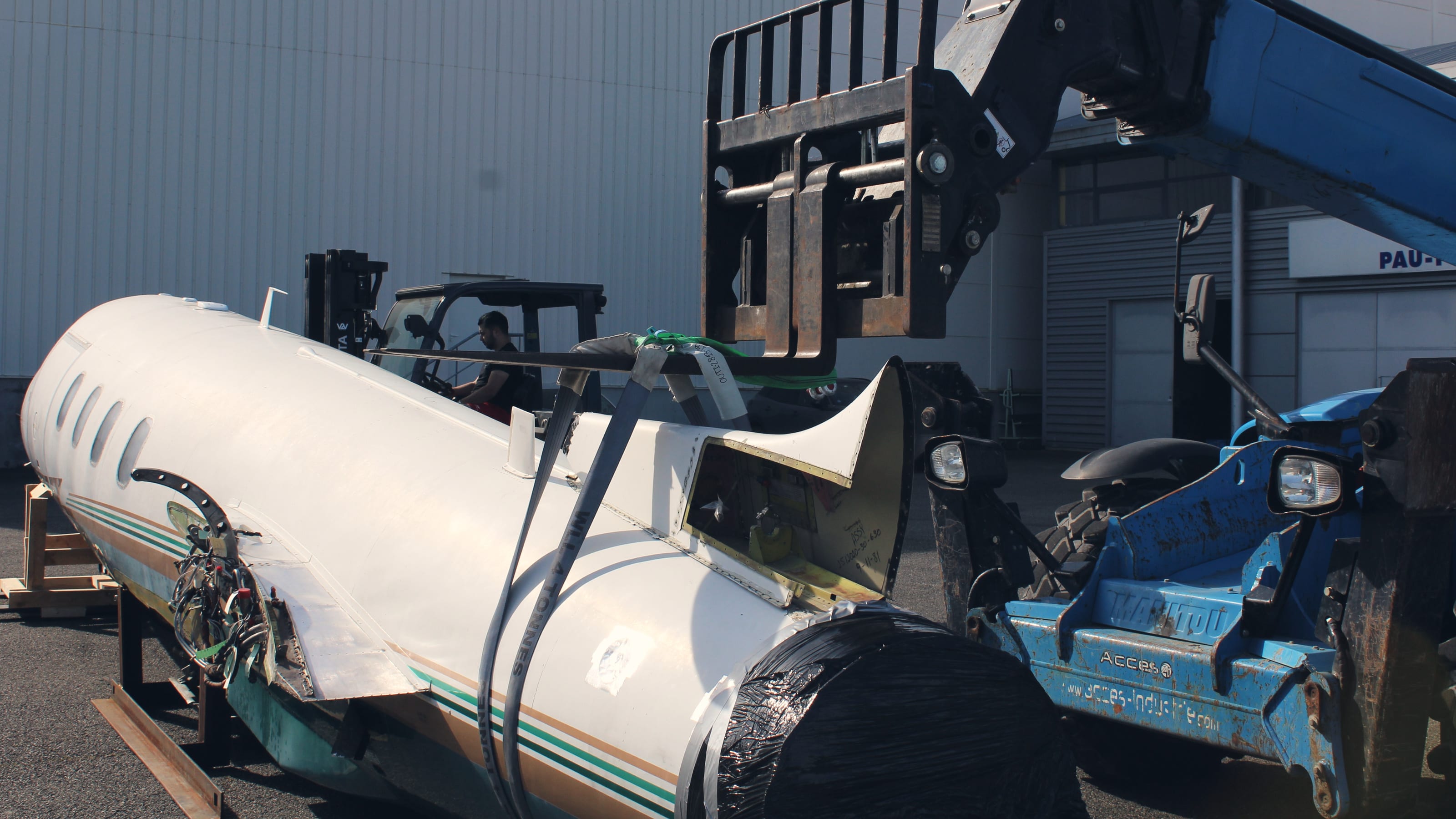
First operations to date: 12 aircraft, 30 drones and 1 rocket thruster.
What qualifies
Which aircraft we can take, and the limits that apply.
Aircraft
General, business, military and light aviation.
Professional and military drones.
Helicopters, space assemblies and other categories on request.
Limits
Civil aircraft in flying condition, up to 30 tonnes empty weight.
Any size once it is no longer airworthy.
Confidentiality
Military aircraft are handled in confidence.
Drones are destroyed under confidentiality, which protects against reverse engineering.
Five steps, and what they produce
Every step is documented. What comes off. Where it goes.
- 01
Decontamination
Can run on your site
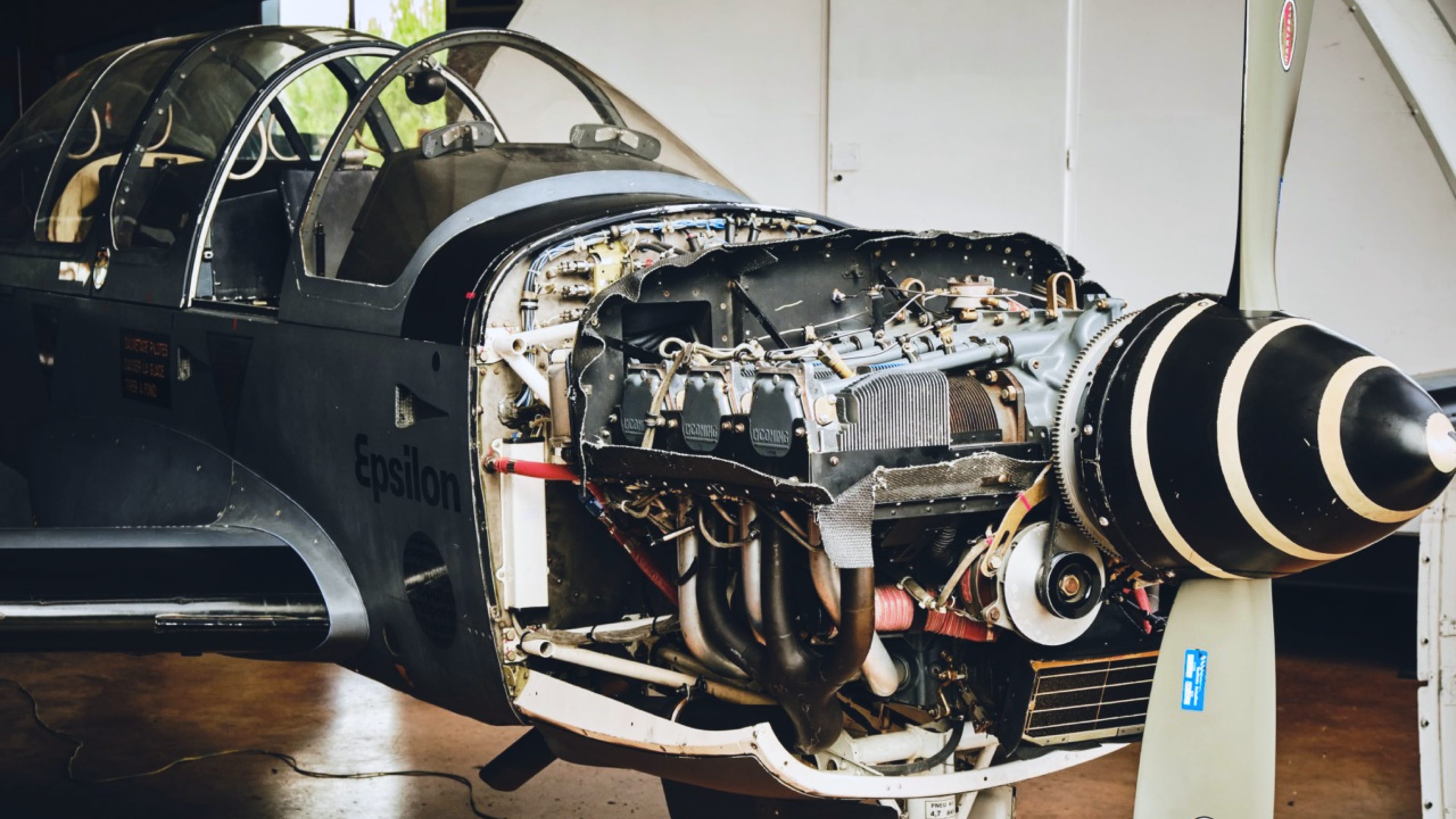
Hydrocarbons drained, tanks inerted, asbestos and radionuclides removed, pyrotechnics defused.
- 02
Deconstruction
Can run on your site
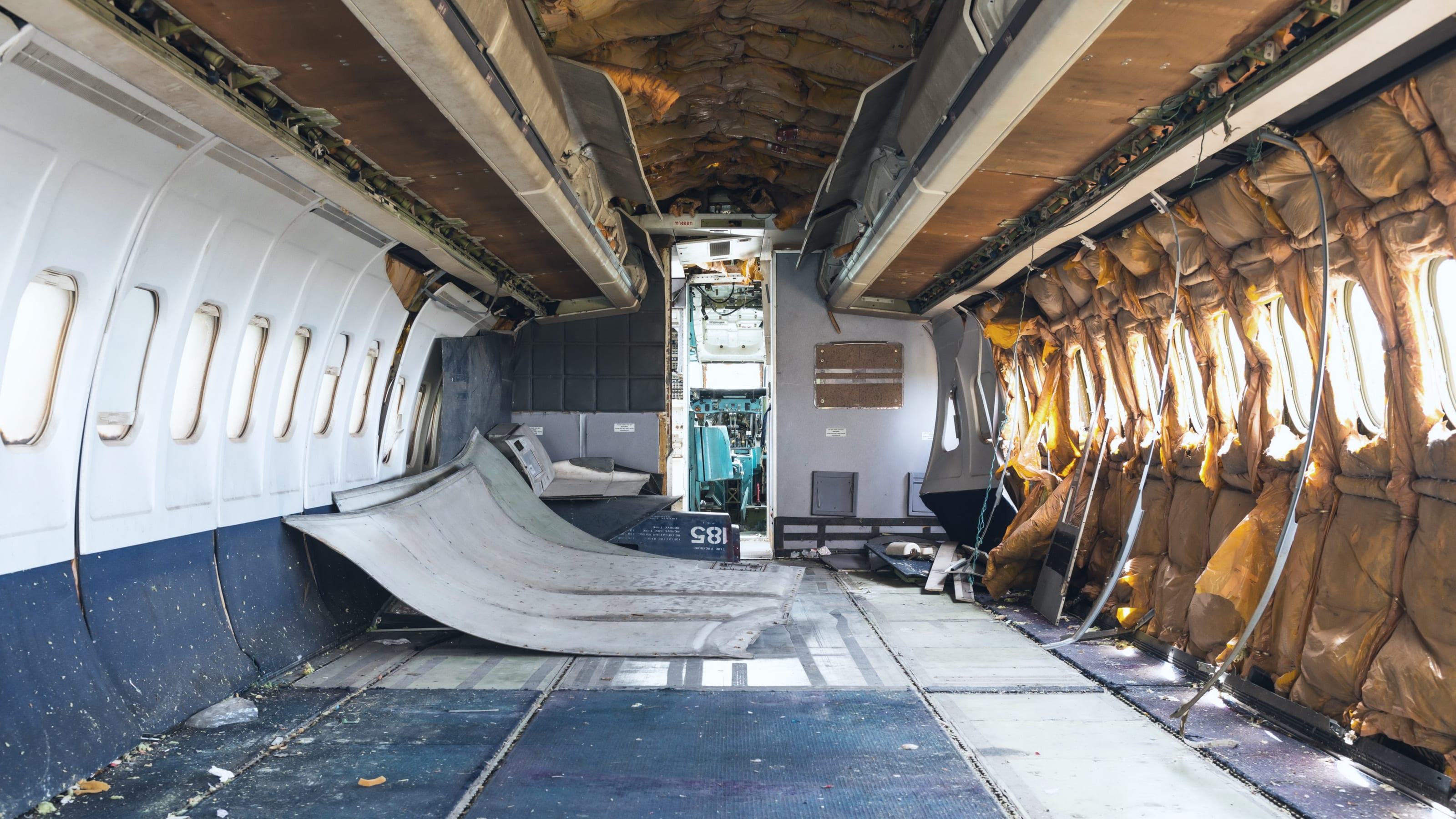
High-value components come off first, removed and preserved for return to service.
Removed- Engines
- Electronics
- Landing gear
- Flight controls
- 03
Dismantling
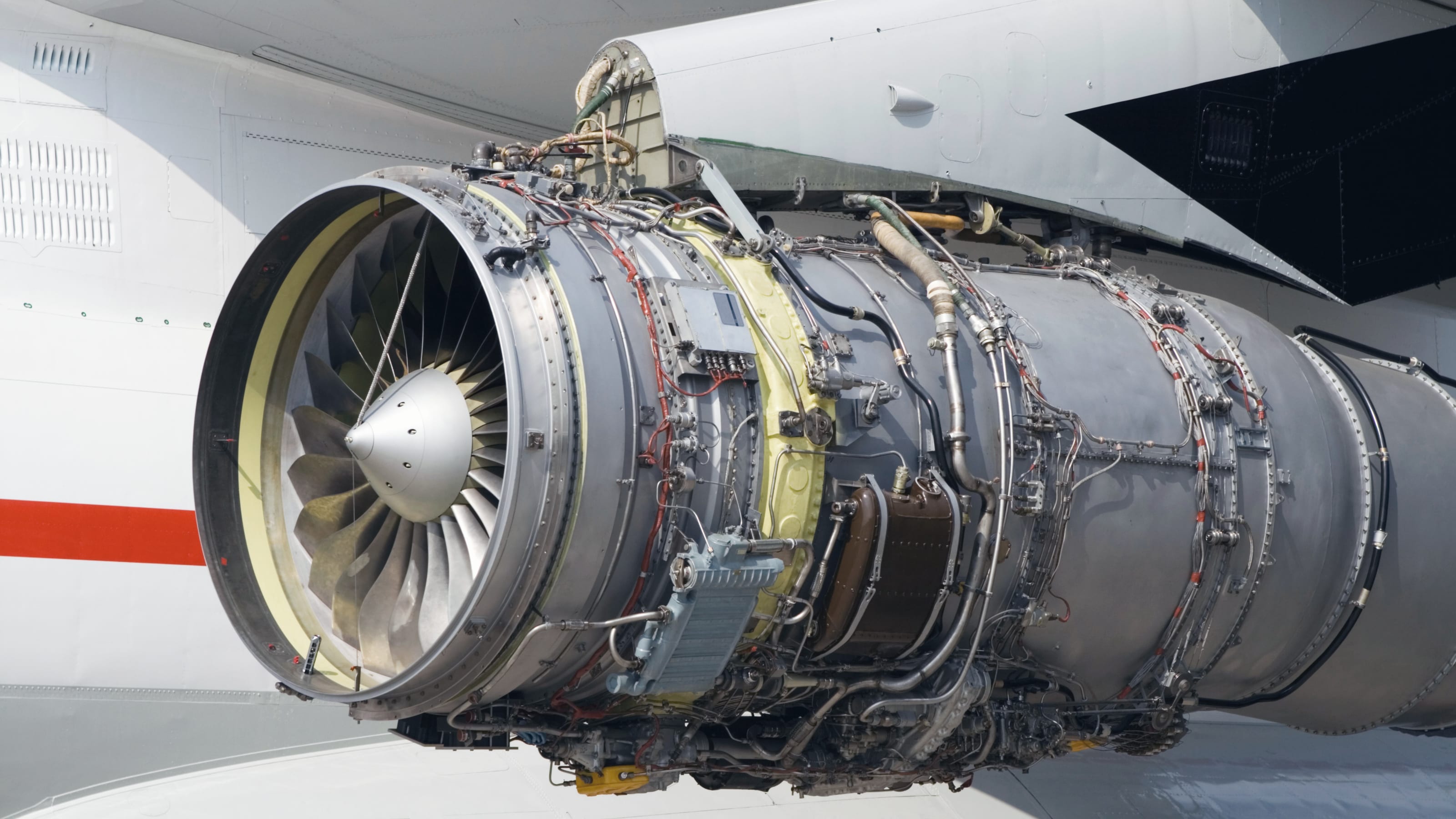
Carried out on our secured site: materials separated and sorted, strategic materials set aside, the airframe shredded for recycling.
- 04
Upcycling
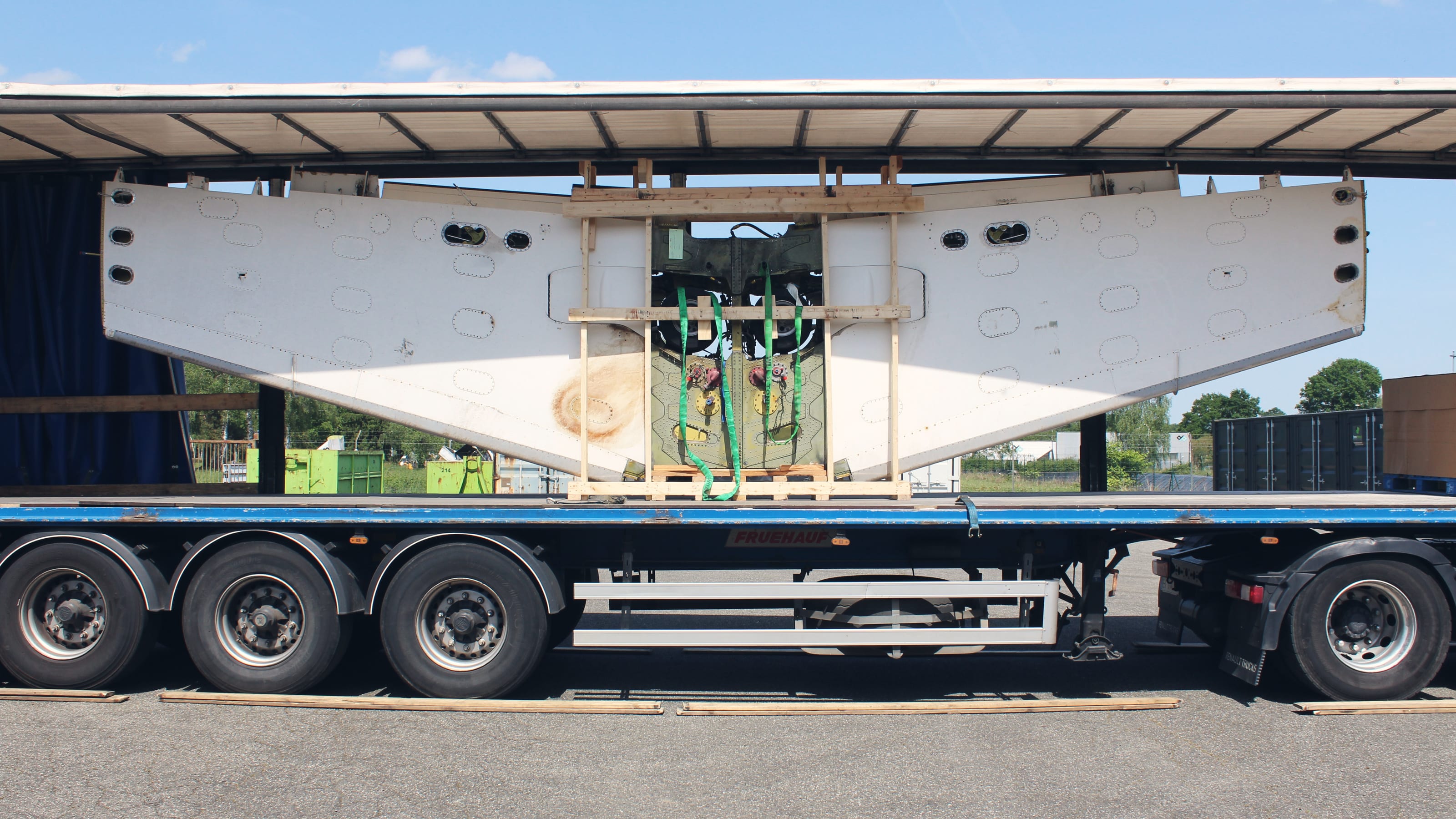
Nothing recovered leaves without a destination.
Goes toRequest the parts list- Parts offered for sale
- Raw materials to foundries
- Residual waste recovered
- 05
Services +
The paperwork that closes the file and makes the project auditable.
Closes with- Project mass balance
- CO₂ assessment
- Aircraft de-registration